Protein Sources
Eggs, fish, tempeh, tofu, chicken, and legumes appear often in Indonesian cooking and can support recovery between training sessions when included at most meals.
A practical look at meals, hydration, and the social life of food.
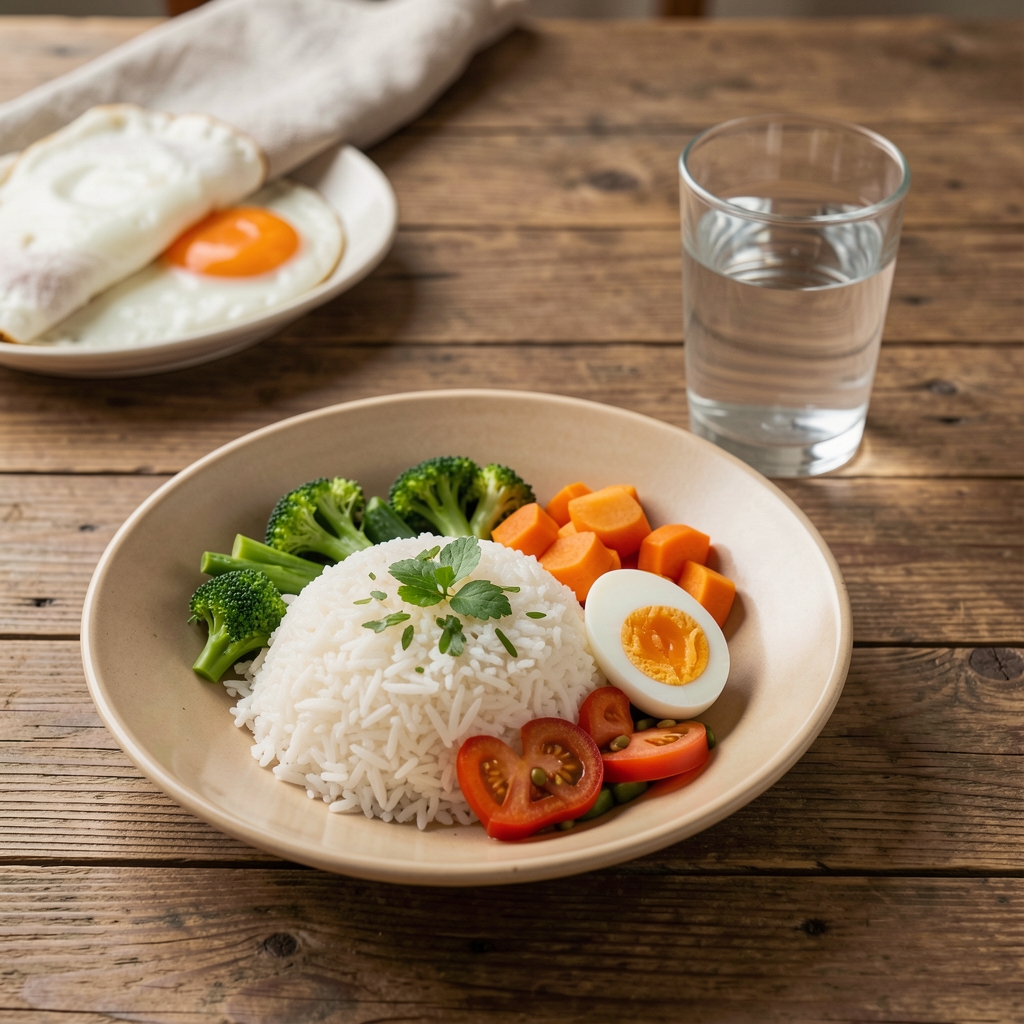
Protein-rich foods, colourful plants, useful carbohydrates, and fluids can form a flexible starting point for most readers. Portions shift with appetite, training, culture, and medical context, and there is no single plate arrangement that suits every household or budget. Many readers eat communally, and a plan that ignores shared meals, religious observance, or family cooking traditions tends not to last.
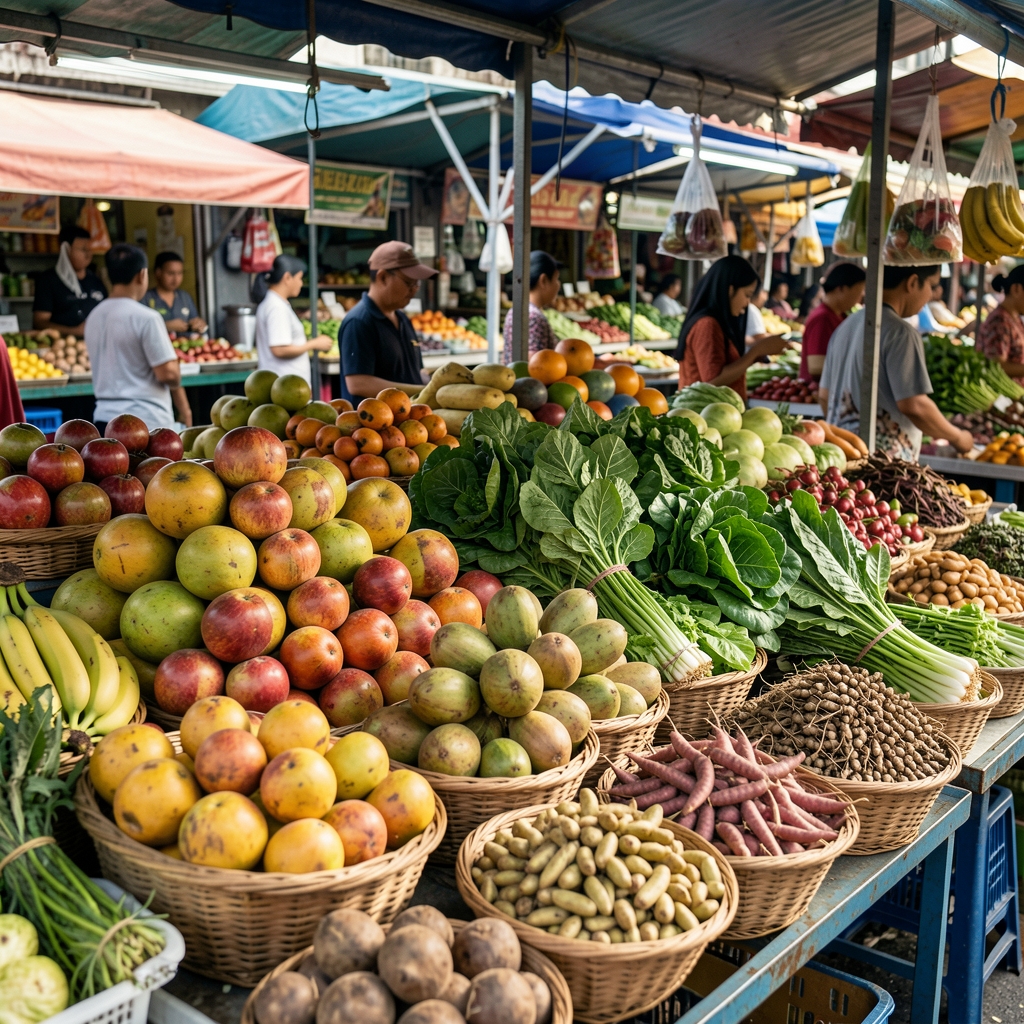
Eggs, fish, tempeh, tofu, chicken, and legumes appear often in Indonesian cooking and can support recovery between training sessions when included at most meals.
Leafy greens, tomatoes, carrots, and seasonal fruit add fibre and a range of micronutrients that a single staple food cannot provide on its own.
Rice, sweet potato, and whole grains provide accessible energy for training and daily activity, and portion size can be adjusted to appetite and training volume.
| Approach | Typical Pattern | May Suit |
|---|---|---|
| Three Structured Meals | Breakfast, lunch, dinner at consistent times | Readers with predictable work schedules |
| Smaller, More Frequent Meals | Four to five smaller meals across the day | Readers managing appetite or digestive comfort |
| Fasting-Aligned Eating | Eating window adjusted around religious observance | Readers observing Ramadan or similar practices |
| Training-Anchored Meals | A meal planned roughly two hours before a session | Readers training at consistent times of day |
This comparison is descriptive rather than prescriptive; a registered dietitian can help translate any of these patterns to an individual's medical history and goals.
Jakarta's climate means fluid needs can be higher than general guidance written for temperate regions suggests, particularly on days with outdoor training or significant walking. Thirst is not always a reliable early signal, especially for readers who have reduced their water intake gradually without noticing. Pale yellow urine and steady energy are simple, non-technical indicators that fluid intake is reasonably adequate for most healthy adults, though specific needs vary with health conditions and medication.
Most readers can meet their needs through food; any decision about supplements is best discussed individually with a qualified healthcare provider rather than based on general articles.
Not inherently. Meal timing preferences vary, and what matters more is whether overall intake across the day supports training, work, and rest.
For anything involving a medical condition, medication, or specific dietary restriction, speak with a registered dietitian or physician.
Send A General Question