Hips
Long hours seated at a desk or behind the wheel in Jakarta traffic can leave hip flexors shortened and glutes underused; gentle hinge and rotation drills help restore options here.
Small, attentive practices for joints that need options rather than pressure.
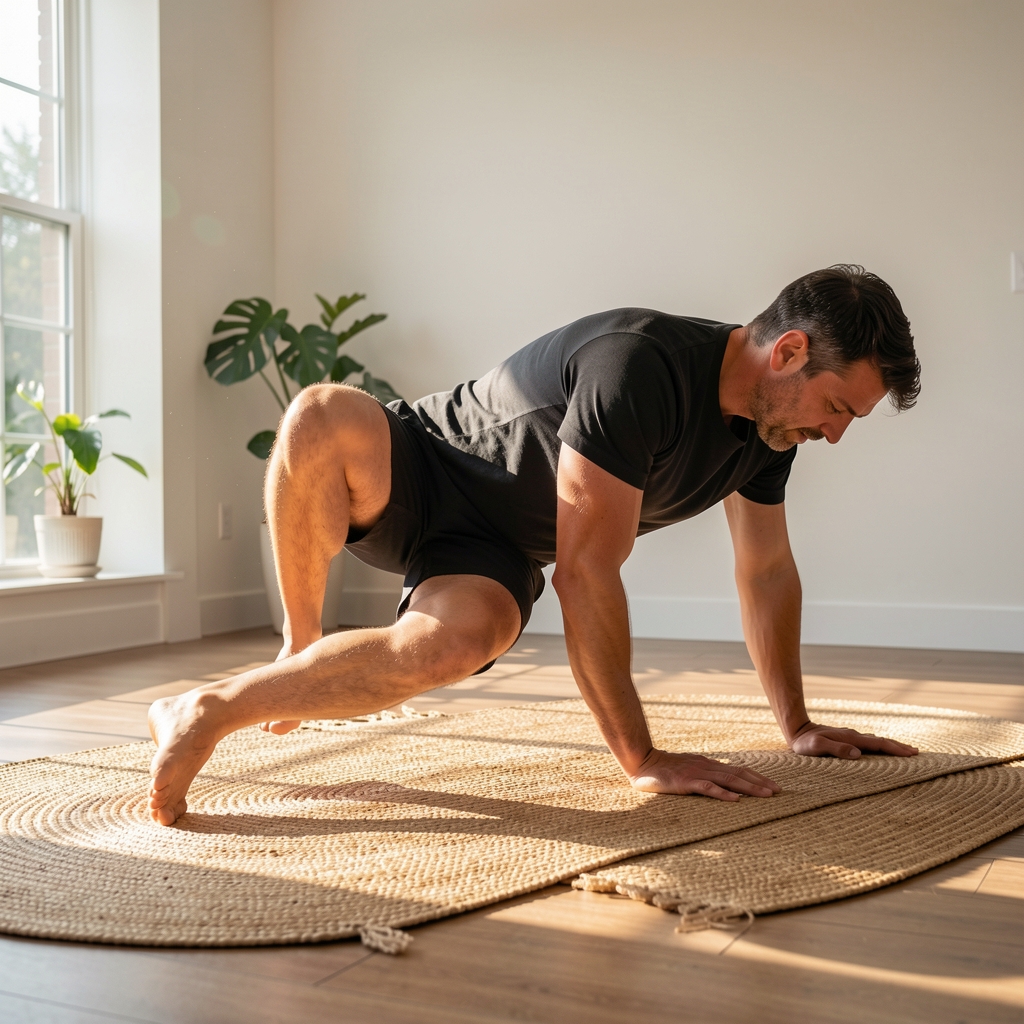
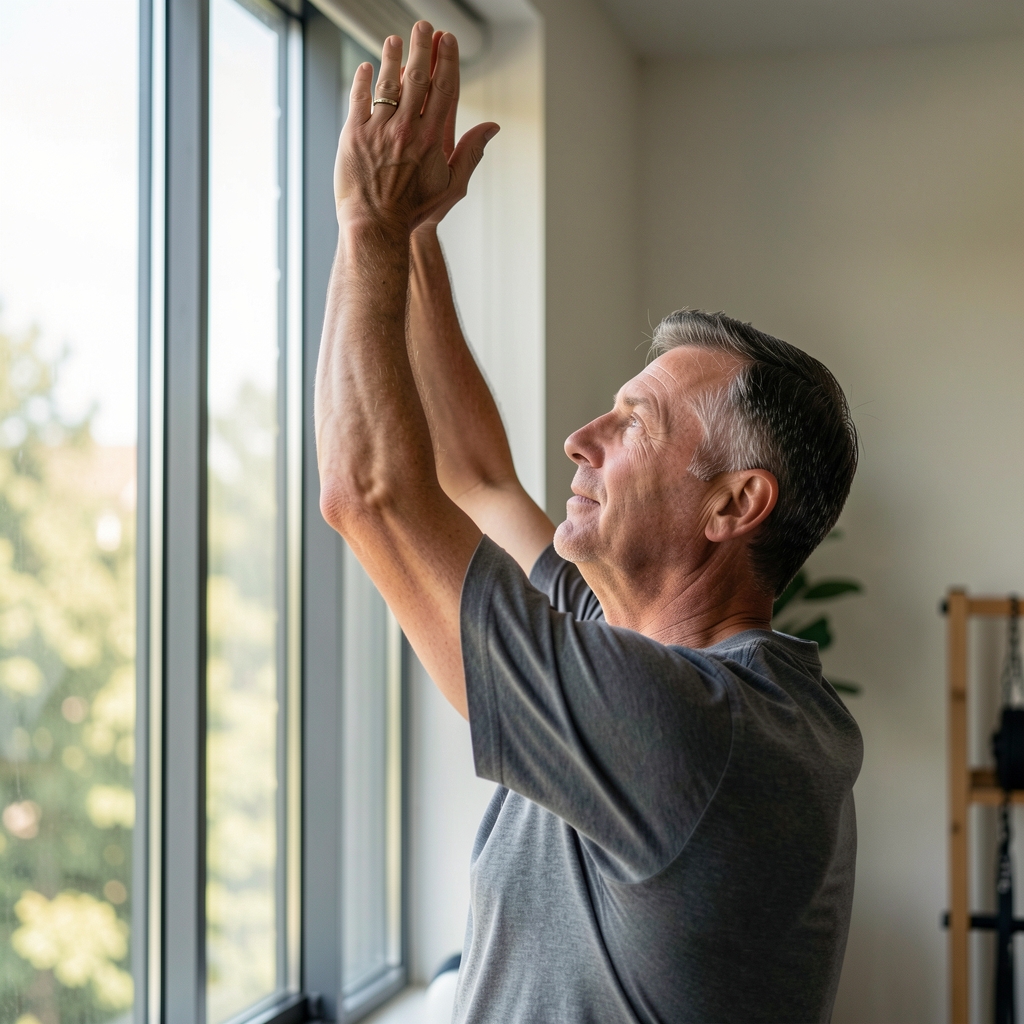
A comfortable range is influenced by anatomy, recent activity, temperature, and attention. The useful question is not whether a pose looks deep, but whether a person can explore it with steady breathing and no alarming sensation. Readers in their forties and fifties often arrive at this page assuming they have lost range of motion permanently, when in many cases the limitation is more about recent disuse, stress, or an unrelated old injury that was never fully rehabilitated.
Control gives range a reason to stay.
Most of the practices described on this page take between five and fifteen minutes and are meant to be repeated several times a week rather than performed once with maximum effort.
Long hours seated at a desk or behind the wheel in Jakarta traffic can leave hip flexors shortened and glutes underused; gentle hinge and rotation drills help restore options here.
The middle back often stiffens from screen posture, which can limit overhead reaching and rotation during sport or daily tasks like reaching into a car's back seat.
Footwear choices and years of limited barefoot movement can reduce ankle range, which in turn affects squat depth and walking mechanics over uneven ground.
| Approach | Typical Duration | Best Timing | Notes |
|---|---|---|---|
| Dynamic Warm-Up Drills | 5–8 minutes | Before training | Prepares joints for the specific movements planned that day |
| Static Holds | 20–40 seconds per position | After training or in the evening | Useful for winding down rather than preparing to move explosively |
| Controlled Articular Routines | 10–15 minutes | Standalone session, 2–3x weekly | Slow, deliberate circles through a joint's available range |
| Breath-Led Floor Work | 10 minutes | Morning or rest day | Combines slow positional changes with extended exhales |
No. The two complement each other; mobility creates options for a joint, while strength work gives a person the capacity to control those options under load.
Not necessarily. A noticeable stretch sensation is common, but sharp pain or numbness is a signal to stop and seek guidance from a qualified professional.
Mobility work tends to matter most when it is scheduled alongside, not instead of, consistent strength and aerobic practice.
See A Sample Weekly Plan