Useful Strength
Explore carrying, bracing, hinging, and pushing as skills that translate beyond a gym floor. Our reporting places technique, recovery, and context beside the numbers.
Study strength →A considered editorial guide to strength, endurance, mobility, and the habits that make movement feel useful again.
Read The Field GuideJanuary–December 2026
For men in their mid-thirties and beyond, fitness is less about spectacle and more about maintaining range, confidence, and energy for ordinary life.
Explore carrying, bracing, hinging, and pushing as skills that translate beyond a gym floor. Our reporting places technique, recovery, and context beside the numbers.
Study strength →Running, walking, cycling, and rowing can become durable practices when intensity is balanced with sleep, work, weather, and the realities of a full calendar.
Explore endurance →Mobility is not a performance trick. It is the ability to reach, rotate, squat, and get up with fewer negotiations from the body.
Read mobility notes →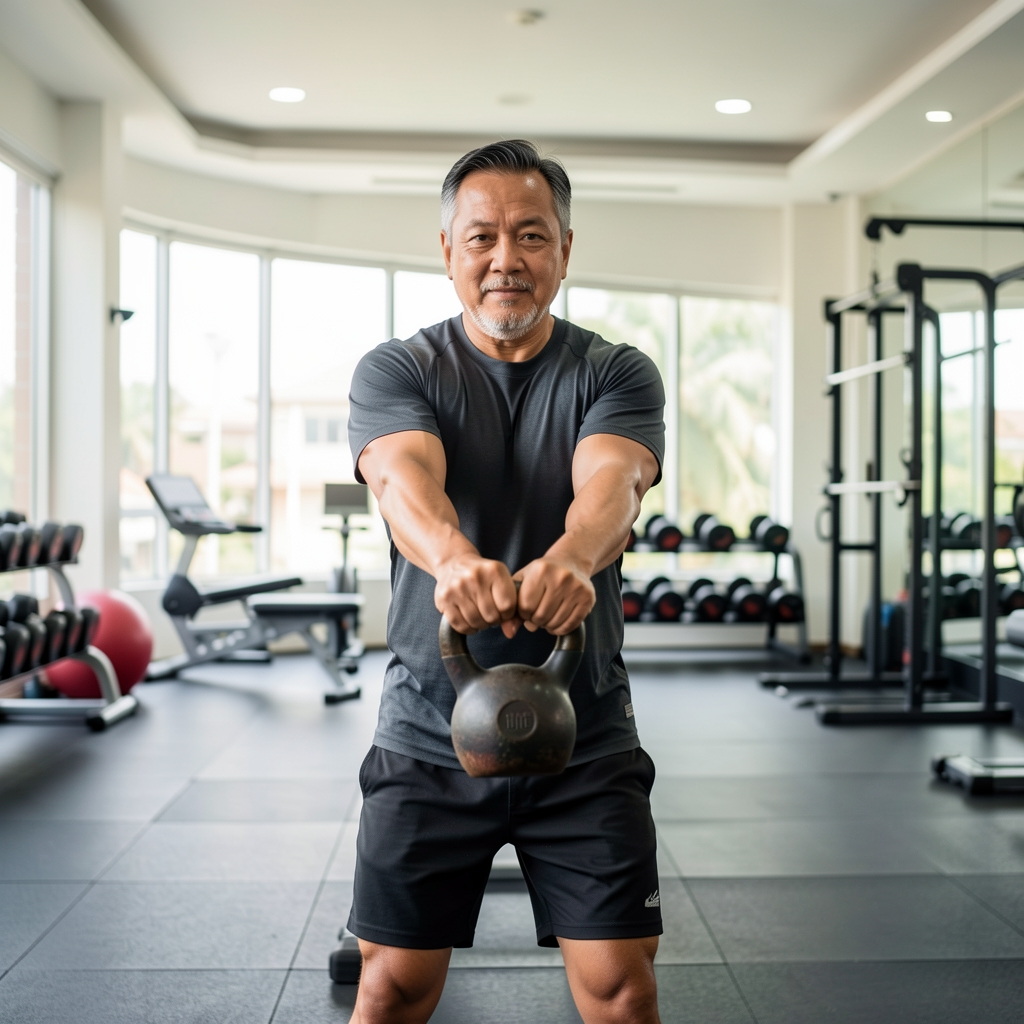
What kind of body does a person need for the next decade? The answer may involve lifting a suitcase, walking through a new city, playing with children, or keeping a steady mind on a long afternoon. Xyjecta examines the decisions behind a sustainable practice rather than treating exercise as a separate world.
Our contributors use plain language, cite their sources, and distinguish observation from professional advice.
See our methodology
08 September 2026
A field note on restraint, consistency, and why training quality can improve when every session is not a test.
Read the dispatch
14 July 2026
Sleep, food, and lower-intensity days create the conditions in which demanding work can become repeatable.
Read the dispatch"We try to describe training the way a careful colleague would — in terms of trade-offs, timeframes, and what a reader can reasonably expect to sustain, rather than in terms of outcomes we cannot verify for any individual reader."
— Senior Editor, Xyjecta Editorial Desk, Jakarta
New dispatches, guides, and journal entries are added on a rolling monthly schedule, with longer field guides revisited each quarter as our reporting develops.
Most articles are written for readers with some training history who want clearer reasoning behind their choices, though foundational explainers are included throughout the glossary and guides sections.
We describe frameworks, trade-offs, and questions worth asking rather than prescribing a single routine, since individual circumstances vary widely.
Readers can reach the editorial desk directly through our contact page, and recurring questions are sometimes addressed in future dispatches.

Oversees editorial direction across strength, endurance, and recovery coverage, with a background in sports journalism across Southeast Asia.
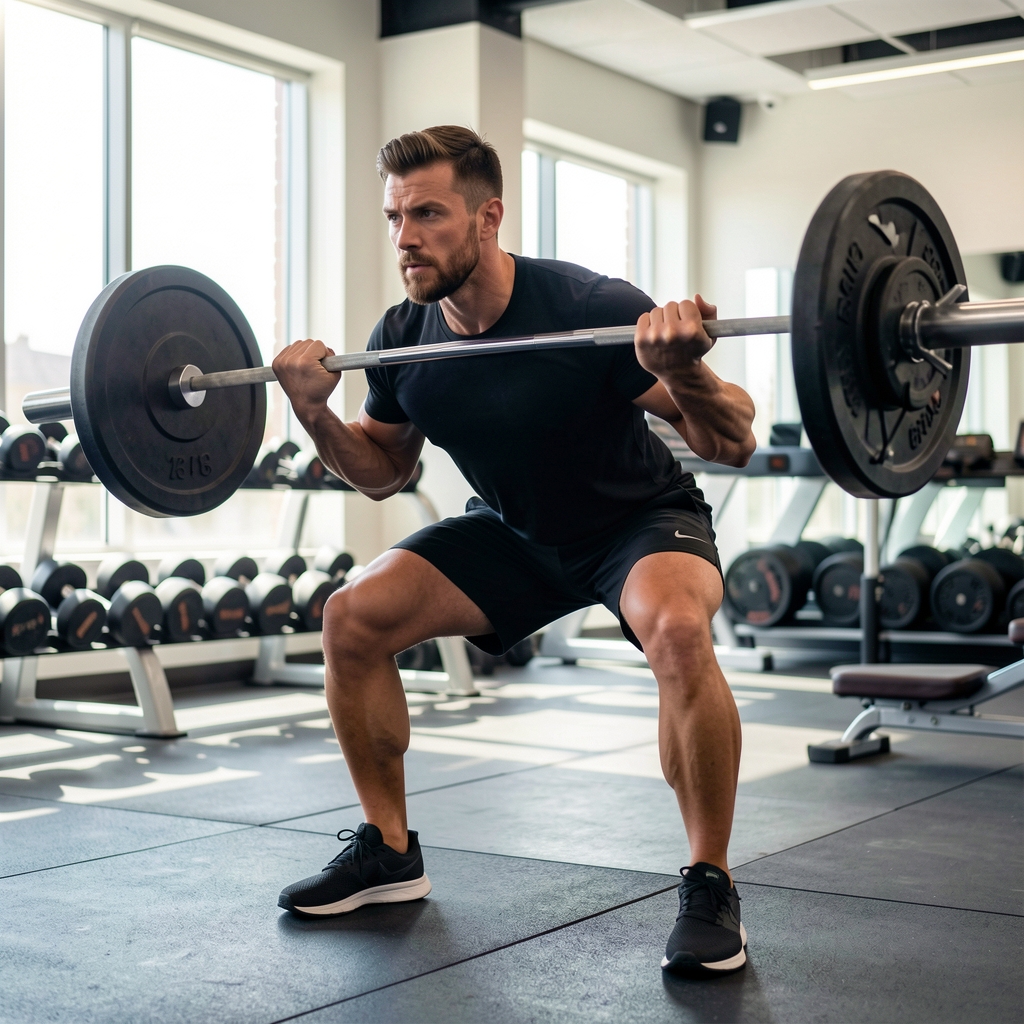
Reports on resistance training patterns and movement mechanics, drawing on coaching experience with adult recreational athletes.
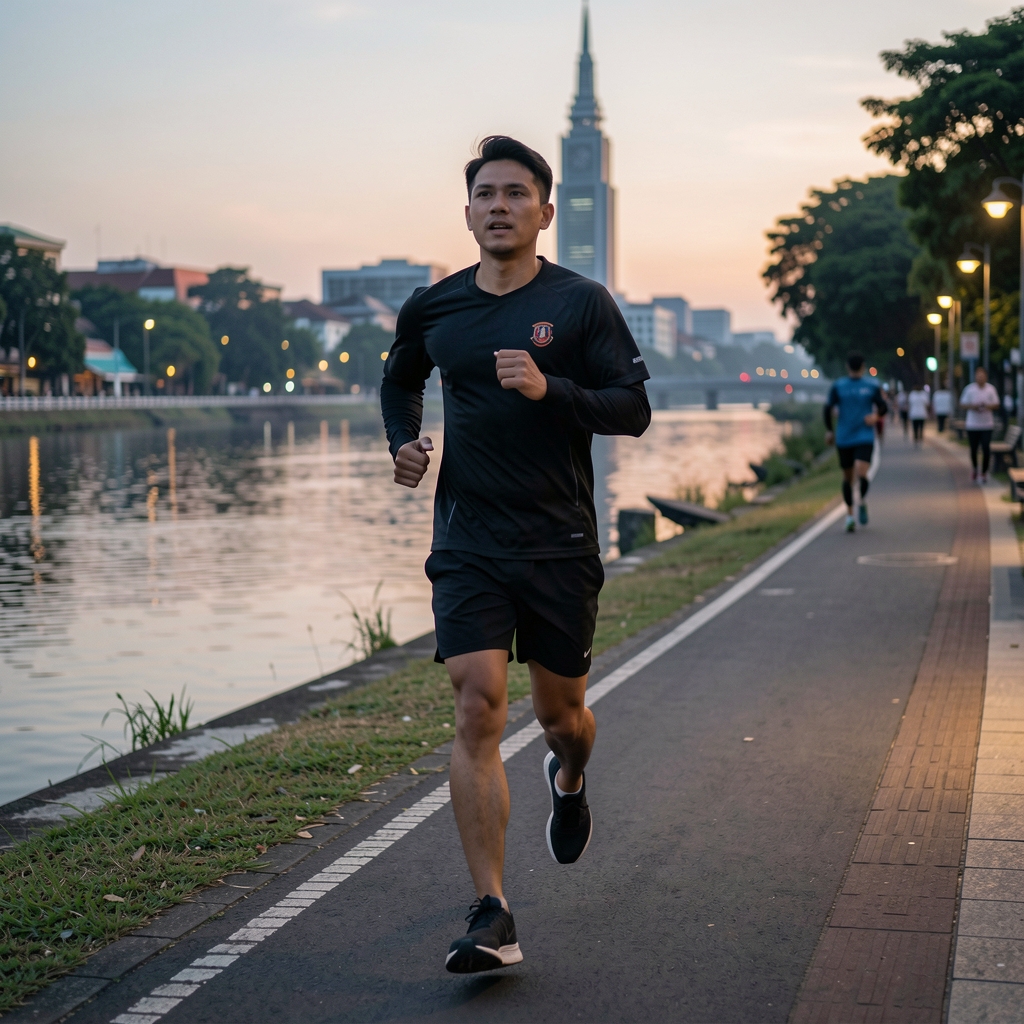
Covers pacing, aerobic base-building, and the scheduling challenges of training endurance around a demanding work life.
Rate of perceived exertion: a personal description of how demanding a set or session feels, useful when sleep and stress vary.
The basic positions and patterns—squat, hinge, push, pull, carry, rotate—that help people describe what they are practicing.
Low-to-moderate effort training that supports repeatability and prepares the body for harder work.
The ability to perform a task today and recover well enough to participate again later in the week.
Choose one movement, one measure, and one question. A training journal can reveal patterns that motivation alone cannot.
Share A Question With Xyjecta